01
Systems over screens
I think in systems first — the seams, the contracts, the ownership boundaries. A beautiful screen built on fragile plumbing will always disappoint. The reverse rarely happens.
I build the scaffolding other engineers stand on. For nine years I've taken enterprise frontends that had grown tangled and slow, and re-shaped them into composable systems.
Micro-frontend architecture, module federation, and the unglamorous plumbing in between — the data contracts and shared shells that let a dozen apps feel like one product. I care about the boundaries: what each team owns, and how the seams disappear for the user.
Software Engineer III on the Pricing platform. I run a Next.js micro-frontend shell on Webpack Module Federation, and I've built an agentic delivery framework on Claude Code — a nine-stage spec-to-PR pipeline with governed AI as a real delivery teammate.
The same thinking that shapes good MFE architecture applies to AI delivery. Role-scoped subagents, human approval gates, a machine-checked AGENTS.md constitution — AI moves fast inside guardrails humans still own.
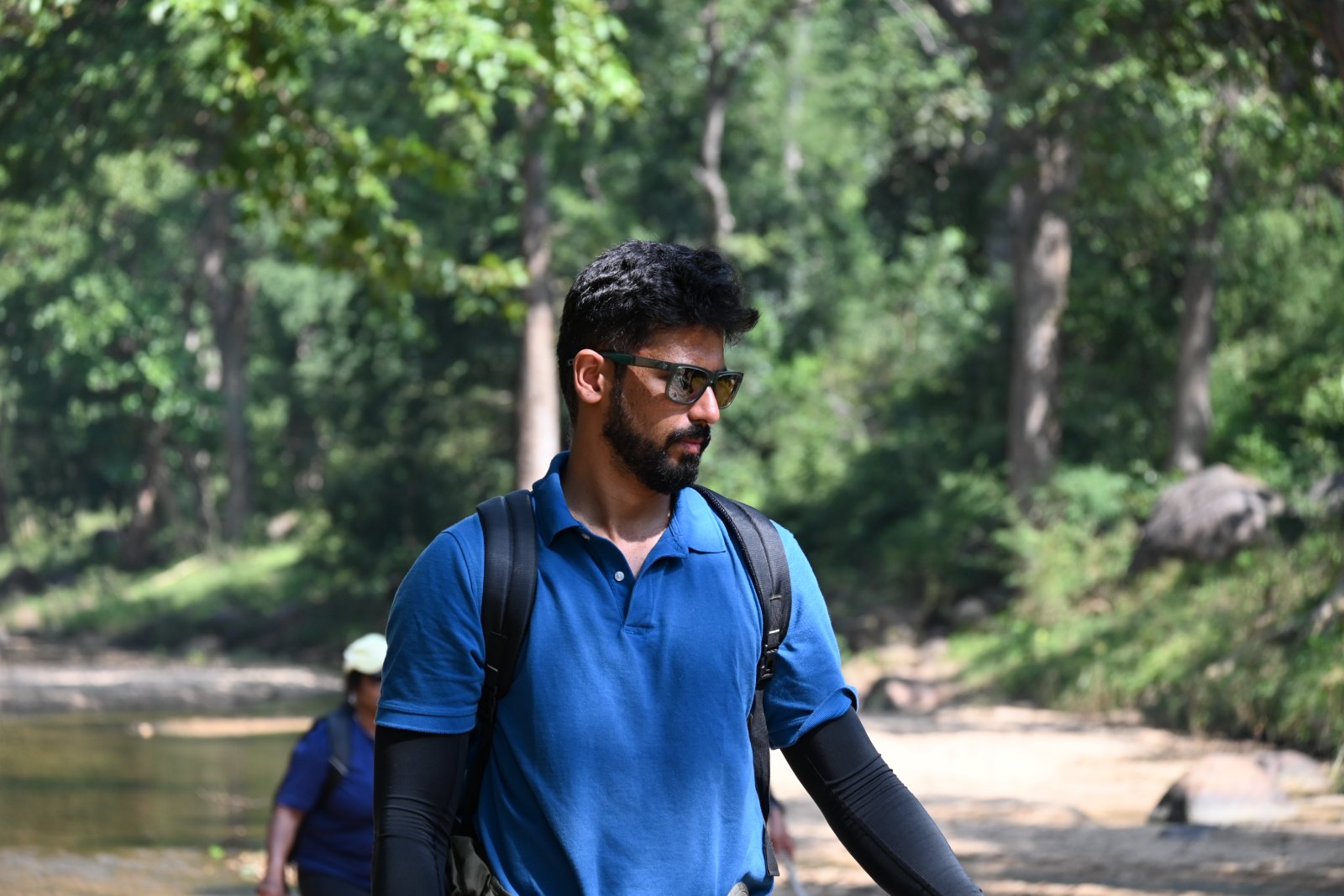
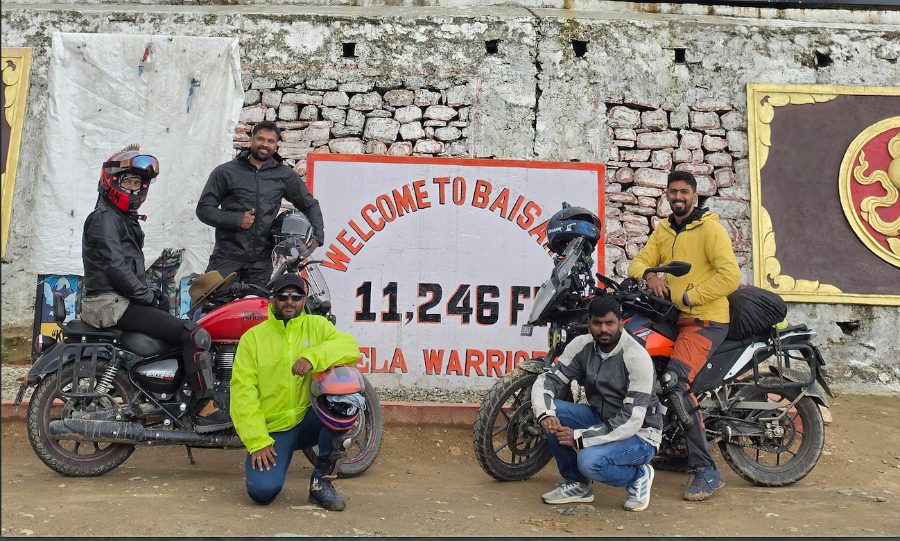
Curious by default. Happiest at the intersection of design and engineering. Off-screen: hiking ridgelines, on a motorcycle, planning the next trip, or making a new house feel like home. Restraint and craft show up everywhere.
Long climbs for the view from the top — the best place to think through a gnarly architecture problem. Restraint and curiosity show up on a ridgeline the same way they do in code.
Biking as moving meditation — momentum, balance, the small joy of a well-tuned machine. The same instincts that make a good system make a good route.